I've spent a few hours with Ricardo Villalobos' newest album. First I listened to it all the way through while scrolling through news and sports articles on the internet. It was a bunch of fluffy, light reading that didn't require a lot of concentration, and the music was a perfect backdrop to that because it doesn't require a lot of energy to absorb it. Villalobos doesn't usually inspire deep listening, if you want to, the music can just be there, as bland and unnoticeable as elevator music in the supermarket if that's the way you want to approach it.
Later on I went back and listened to it more closely. None of its twelve mostly lengthy tracks jump out at you, they don't suddenly take off like "Ichso" does about three minutes in, for instance. But that's OK because nobody ever accused "Alcohofa" of "taking off" either.
Closer listening reveals all sorts of interesting details bubbling below the surface, which of course is typical for Villalobos' music. There are countless little snippets of percussion and voice, sometimes featured as a blissed out melody cruising alongside the steady, insistent beat, and sometimes chopped up into nearly infinitesimal bits. I'm partial to the odd, circular synth melodies on "Zuipox" because they sound exactly like something that would have appeared on a mid-90's Autechre album, but then again, I would be. The closing track, "Ferenc", stakes one of the more muscular beats on the album to an eerie ambient hum, all of which would have been very much at home on a 90's Warp Records release (most likely the Polygon Window album).
But too much of "Dependent and Happy" is basically just there, coasting by in one long and drowsy 100-minute techno suite. Villalobos rarely hesitates to do in ten minutes what can be done in five, and it's only on aforementioned tracks like "Zuipox" (which transforms itself halfway through) and "Ferenc" (which is short enough to not overstay its welcom) that he offers any surprises that don't require a great deal of patience to appreciate. This is the kind of album whose tracks I would frequently skip if they randomly came up on a playlist, because there are only so many ten minute minimal techno tracks you can sit through before you start looking for something more hook-filled to entertain you and hold your attention.
Monday, October 29, 2012

Friday, October 26, 2012
Another link roundup (mid-October edition)
The first two are courtesy of RA's news feed:
1. One normally finds links to mixtapes and newly released underground club tracks on the blog "The Head of Rothchild". They also enjoy the occasional slog through the crappiest music one can find over the internet, posting audio, video, and photo links for us to point our fingers and laugh at. I'd never heard of them until I saw their post on corny DJ photo shoots. The intentional send-ups at the end of the post are actually not any more ridiculous than the real promo shots. I can't for the life of me figure out what the guy in the first picture is supposed to be doing. Is he pissing on his record collection through the hole in that fluorescent green disc?
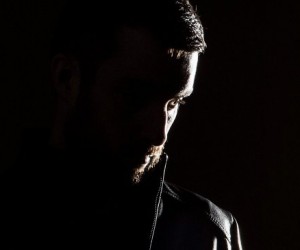
These photos don't look anything like actual DJ promo shots, so they can't even say that they were trying to steal from the pros and just overused the usual cliches. They only have themselves to blame ... and that's saying something, because DJ promo pictures are unbelievably cliched and uncreative. For instance, there's the "DJ covering his eyes" shot, and the million varieties of "serious and forlorn". The most popular one is where the DJ looks off to one side, completely away from the camera, with his face partly in shadow. These are just a few examples, but trust me, this is one case where the truth is nearly as bad as the parody.

2. An interview with Jeff Mills ... in Forbes!! I love the description of him in the title - "artist, producer, DJ, and entrepreneur". It is Forbes after all, so he's an "entrepreneur" and much of the discussion is devoted to his company/label's business model. I can only imagine what the stock watchers thought when they saw this article. Mainstream music publications are still obsessed over album sales figures -- how much did such and such an album sell in its first week, etc. What they consider "success" is still associated with a business model that is decades old. Sometimes you see lip service paid to other versions of "success", like the free downloads as loss leaders strategies of Nine Inch Nails and Radiohead, and Youtube views. But I think most of them still don't get it. A song like "Gangnam Style" became a worldwide phenomenon, complete with iconic dance, hundreds of millions of Youtube views, PSY guest spots on American talk shows, flash mobs, countless tribute and parody videos, etc. Despite all that, before it had started to make a dent in the charts outside Asia, a lot of music industry people wouldn't have considered it a "success". At least not until it started racking up actual sales and downloads, which it eventually did, topping the iTunes download charts and pop charts in dozens of countries. Now they'll just point to its iTunes ranking as "proof" that it was a hit, and ignore all that other stuff that made it a huge phenomenon -- stuff that's a lot more significant if you ask me.
Forbes and Tamara Warren, the journalist who conducted the interview, get it. Mills comes across as the savvy head of a music and merchandise company that's keenly in tune with the changing needs of its customers. Most actual music publications don't.
3. Last week I thought I wrote a fairly inspired review of a concert by a legendary 80's music group. I tried to put the passage of time in perspective while trying to capture what makes them and their tour so special for longtime fans. Then I saw this review of Morrissey by Hua Hsu on Grantland, which tackles much the same angle and of course blows my writing out of the water.
Not only that, his point is much more interesting and profound than mine. Me = we get older and so do our favourite bands, how do both of us reconcile our current and past selves? Nothing wrong with that, but it's hardly an original concept (which I knew, but still wanted to tell the story in that way. But Hsu notes that these tours are partly about musicians playing the characters their fans expect them to play. In the process, they blur the lines between those characters and their actual selves, and at the end of the day, who knows who is the real artist, who is the character that does what he can to collect the ticket money, and when the former morphed into the latter? I don't think this happened with earlier generations of artists. It's not like Led Zeppelin turned out to be asexual homebodies who hated the blues. CCR didn't admit they were pro-war all along and just went along with what the hippie crowd wanted so they could sell a few records.
Then you have artists like Morrissey and Robert Smith. They were icons owing to a simple, almost parasitic formula. They felt lonely, depressed, and isolated. They wrote songs that expressed those feelings. Their fans, who were also lonely, depressed, and isolated people who felt especially alienated by the plastic 80's music, idolized them because they perfectly understood everything they were feeling in their everyday lives. And that's how The Smiths and The Cure built such a loyal following.
At least that's how the story goes. But at some point, writing those kinds of songs in character became the most natural thing in the world for them, just like any fiction writer would put him or herself in the shoes of the characters in one of their books. We can believe that Robert Smith was obsessed with death in '82 when he wrote "One Hundred Years", but as a fifty year old happily married man who tours stadiums and makes millions? Morrissey is a militant vegetarian who hates the British royal family, there's no doubt about that, but he pushes those views as a convenient way of maintaining his legend, not as part of a deliberate attempt to change people's minds. It's not to say that he's given up on the latter completely, but influencing people is not his main concern anymore. He doesn't insist on meat and leather-free buildings because he wants people to follow his lead, he does it because it's convenient for him and he sees himself as a big enough star to warrant the special treatment. And if it helps convince fans that he's as real as he was in the 80's and still deserving of his former status as a messianiac indie god along with the pile of earnings from the concert tours to go along with it, well, he's fine with that too. You have to think that the Morrissey of the '80's wouldn't have played along with Stephen Colbert the way he did, he's more likely have stormed out rather than lower himself to trading barbs about vegetarianism with an American talk show host (even on a talk show parody like Colbert).
Maybe it shouldn't be surprising that indie stars of the 80's turned out to be greedy just like the mainstream artists they stood as the antidote to some thirty years ago. After all, they were products of the 80's just like the rest. Will there be a reckoning when fans start resenting their former heroes for turning into fakes? Or did that already happen when the bloom partly came off the rose with their run of less successful albums starting in the mid-90's?
Saturday, October 20, 2012
Jesus and Mary Chain @ Barby
I've written a pile of things about Depeche Mode over the years. Out of all my "favourite bands" over the years, they've been by far (FAR) the most enduring. The first concert I ever saw was Depeche Mode at Toronto's CNE Grandstand (RIP ... or not, everyone hated that place), and I've continued seeing them on almost every tour they've done since. Depeche tours are like federal elections, coming along once ever few years, and lead you to take stock of your life and think what you've accomplished since the last go around, see this review from 2009, for example. After Depeche Mode concert, I could say they were the first and last band I ever saw, and there's something very special about bookending one's life through music like that, remembering the band who broke through huge with "Personal Jesus" and "Enjoy the Silence" (and the teenager who used to crouch by the floor next to a tape recorder, taping the remixes of those songs off CFNY) and so on to the present day, and our older, hopefully more mature and grounded selves.
Except there's a bit more to the story than that. Depeche Mode weren't exactly the first band I ever saw in concert. The opening band that night was Jesus and Mary Chain. And I hated them.
[actually, there were two opening bands ... the first was Nitzer Ebb, so they were the honest and 100% truthful first act I ever saw in concert. Nitzer Ebb also continued their career into the late 90's, split up without me ever having seen them again, and reunited recently, so I suppose I could be writing this type of article all over again at some point.]
I knew a few JAMC songs from the radio, and never paid them much attention. "Head On" was their big single at the time ("big" for alternative radio) and it wasn't really my thing. I didn't know anything about their early days, with the fifteen minute gigs and the riots and the walls of feedback. I didn't know a thing about the shoegaze scene, which was reaching it's peak in terms of critical accolades at the time over in the UK. What I did know what that this horrible sounding band was standing between me and "Enjoy the Silence", just one song after another, completely bereft of melodies, rendered completely unlistenable by the aimless squalls of noise that covered literally every single second of every song.
Depeche Mode were in the process of redefining their image from the 80's and trying to become something other than teen idols playing pervy synth pop. Nevertheless, it might seem strange that a band like JAMC were chosen to open for them, but it really wasn't. Depeche Mode's appeal across genre boundaries has always been underrated by the music establishment. The wide variety of rock and pop bands who have toured with them over the years is but one testament to this (Raveonettes, The Bravery, Fad Gadget, Yeah Yeah Yeahs, M83, Motor). In 1990 it actually made perfect sense -- the goth kids loved JAMC, especially the "Darklands" album.
Of course there's no way to know how JAMC really sounded that night. It's all but certain they didn't sound as noisy and shambolic as I thought they were, and I can blame my untrained ears for that. I can also blame the soundsystem and acoustics at the CNE Grandstand, which was rather famously subpar (although the atmosphere at concerts there could easily make up for it). But chances are they didn't sound too different than they did this past Thursday night at the Barby. In fact, with only a handful of songs from the 90's and a band whose sound was perfectly tailored toward the punchy rock and roll style of "Automatic", most of their set could have been lifted completely what they played on the "Automatic" tour.
However the '90 version of JAMC (or at least my memory of them) had one thing that the '12 version didn't -- they were threatening, angry, and dangerous. The '12 version is a slick, professional rock band with all the cues timed down to the second and all the spontaneity or ability to surprise an audience stripped away. But for the most part, a literal belief of those things would be naive. Anything new and somewhat strange, particularly if it's rock and roll played by people wearing dark clothes, will sound scary or even dangerous. And the Pixies' hugely successful reunion and multiple tours showed that there was a market for 80's and 90's alternative bands to mend their fences, appear as a more mature and palatable version of their former selves, and crank out the same "hits" night after night to an audience itching to see them again after so many years. We're no different from every generation before us. We laughed when the Eagles reunited to make a few more bucks, and yet here we are, basically the same age as those Eagles and Who and Page and Plant fans were twenty years ago, shelling out good money to hear our heroes portray blander versions of the bands we grew up with and play the same exquisitely rehearsed hits night after night.
But that's really fine by me. I don't think anyone wants Soundgarden and the Mary Chain and whoever else to be exactly like they were then. After all, we were around then, and we already remember what they were like quite well. We have no desire to relive our lives again from that period and we don't expect our bands to want to either. JAMC '12 might have been a bit *too* professional for my taste, a bit too much of the Reid brothers and their finely coiffed, emotionless backing band, but they played roughly all the important hits and played them well, and you can't ask for much more than that. Jim Reid's voice has aged remarkably well, and although it's not like these songs were much of a challenge to sing, he still deserves plenty of accolades. William Reid is still rocking some of the 80's crazy hair and made the occasional racket on his guitar. If anything, the last five years of reunion tour are only enhancing their legacy, and they have a chance to keep it going if they ever get around to releasing the long rumoured new album.
Of course, over the years I've come to like, even love quite a bit of JAMC's music. By the time they broke up in '98 I was regretting that I never went to see them again, despite no shortage of opportunities. What we called noisy alternative rock back then now sounds very normal, the weirdos (or at least some of them) always find a way to conquer the musical world (or at least a small part) once the niche they forced into the music landscape eventually becomes accepted by the masses. So it's hardly JAMC's fault that they come off sounding almost mainstream, that's always the way things evolve in music. They're just playing the songs they had the foresight to write when most of their peers didn't have the talent or the balls to do it first.
And there's more, namely, how do you pass up an opportunity to see a band after nearly an entire generation apart. How often in your life can you say you did that?
Except there's a bit more to the story than that. Depeche Mode weren't exactly the first band I ever saw in concert. The opening band that night was Jesus and Mary Chain. And I hated them.
[actually, there were two opening bands ... the first was Nitzer Ebb, so they were the honest and 100% truthful first act I ever saw in concert. Nitzer Ebb also continued their career into the late 90's, split up without me ever having seen them again, and reunited recently, so I suppose I could be writing this type of article all over again at some point.]
I knew a few JAMC songs from the radio, and never paid them much attention. "Head On" was their big single at the time ("big" for alternative radio) and it wasn't really my thing. I didn't know anything about their early days, with the fifteen minute gigs and the riots and the walls of feedback. I didn't know a thing about the shoegaze scene, which was reaching it's peak in terms of critical accolades at the time over in the UK. What I did know what that this horrible sounding band was standing between me and "Enjoy the Silence", just one song after another, completely bereft of melodies, rendered completely unlistenable by the aimless squalls of noise that covered literally every single second of every song.
Depeche Mode were in the process of redefining their image from the 80's and trying to become something other than teen idols playing pervy synth pop. Nevertheless, it might seem strange that a band like JAMC were chosen to open for them, but it really wasn't. Depeche Mode's appeal across genre boundaries has always been underrated by the music establishment. The wide variety of rock and pop bands who have toured with them over the years is but one testament to this (Raveonettes, The Bravery, Fad Gadget, Yeah Yeah Yeahs, M83, Motor). In 1990 it actually made perfect sense -- the goth kids loved JAMC, especially the "Darklands" album.
Of course there's no way to know how JAMC really sounded that night. It's all but certain they didn't sound as noisy and shambolic as I thought they were, and I can blame my untrained ears for that. I can also blame the soundsystem and acoustics at the CNE Grandstand, which was rather famously subpar (although the atmosphere at concerts there could easily make up for it). But chances are they didn't sound too different than they did this past Thursday night at the Barby. In fact, with only a handful of songs from the 90's and a band whose sound was perfectly tailored toward the punchy rock and roll style of "Automatic", most of their set could have been lifted completely what they played on the "Automatic" tour.
However the '90 version of JAMC (or at least my memory of them) had one thing that the '12 version didn't -- they were threatening, angry, and dangerous. The '12 version is a slick, professional rock band with all the cues timed down to the second and all the spontaneity or ability to surprise an audience stripped away. But for the most part, a literal belief of those things would be naive. Anything new and somewhat strange, particularly if it's rock and roll played by people wearing dark clothes, will sound scary or even dangerous. And the Pixies' hugely successful reunion and multiple tours showed that there was a market for 80's and 90's alternative bands to mend their fences, appear as a more mature and palatable version of their former selves, and crank out the same "hits" night after night to an audience itching to see them again after so many years. We're no different from every generation before us. We laughed when the Eagles reunited to make a few more bucks, and yet here we are, basically the same age as those Eagles and Who and Page and Plant fans were twenty years ago, shelling out good money to hear our heroes portray blander versions of the bands we grew up with and play the same exquisitely rehearsed hits night after night.
But that's really fine by me. I don't think anyone wants Soundgarden and the Mary Chain and whoever else to be exactly like they were then. After all, we were around then, and we already remember what they were like quite well. We have no desire to relive our lives again from that period and we don't expect our bands to want to either. JAMC '12 might have been a bit *too* professional for my taste, a bit too much of the Reid brothers and their finely coiffed, emotionless backing band, but they played roughly all the important hits and played them well, and you can't ask for much more than that. Jim Reid's voice has aged remarkably well, and although it's not like these songs were much of a challenge to sing, he still deserves plenty of accolades. William Reid is still rocking some of the 80's crazy hair and made the occasional racket on his guitar. If anything, the last five years of reunion tour are only enhancing their legacy, and they have a chance to keep it going if they ever get around to releasing the long rumoured new album.
Of course, over the years I've come to like, even love quite a bit of JAMC's music. By the time they broke up in '98 I was regretting that I never went to see them again, despite no shortage of opportunities. What we called noisy alternative rock back then now sounds very normal, the weirdos (or at least some of them) always find a way to conquer the musical world (or at least a small part) once the niche they forced into the music landscape eventually becomes accepted by the masses. So it's hardly JAMC's fault that they come off sounding almost mainstream, that's always the way things evolve in music. They're just playing the songs they had the foresight to write when most of their peers didn't have the talent or the balls to do it first.
And there's more, namely, how do you pass up an opportunity to see a band after nearly an entire generation apart. How often in your life can you say you did that?
Sunday, October 07, 2012
Raveonettes, "Observator"
The Raveonettes have always been good at owning their influences. "Lust Lust Lust" didn't just borrow the best bits from JAMC's "Psychocandy", it copied the blueprint and improved on it. Same goes for "Chain Gang of Love" one-upping scuzz-pop and early Blondie.
Their last album, "Raven In the Grave", found them in the midst of an identity crisis of sorts. There were still plenty of bands for them to steal from, and they couldn't figure out who they wanted to steal from most. Would it be a reconfiguration of their earlier thefts, or a meld of the safe and obvious with the new and unexpected? On "Observator", the transition finally seems complete. There's an added emphasis on melody and harmony (proper torch songs by The Raveonettes? believe it!) and they've dissolved their influences so deeply into these songs that almost all traces of gimmickry left over from their earlier albums have now disappeared. It's easily their best album to date, and at just 31 minutes long, their most concise and replayable. An album this short and this hummable has a way of minimizing its weaknesses, in that they're over and done with before you have a chance to get bored of them or dwell on them. But in truth, digging for flaws in an album this good is a fool's errand.
"Young and Cold" might be The Raveonettes most sensitive and bittersweet song, and it certainly doesn't hurt that gentle distortion over repetitively strummed acoustic guitar with boy/girl harmonies are basically musical kryptonite for me. "Sinking With the Sun" and "She Owns the Streets" offer a back to back dose of mid-80's UK indie by way of the Stone Roses and the Smiths, the jangly melodies of the latter making it an obvious choice for a single. "Downtown" returns to their girl group roots, but adding another flavour of jangly 80's indie rock makes for yet another refreshing combination. "Til the End", with it's forceful drumming and hissing guitars could almost be an "Isn't Anything"-era MBV outtake. It's the most gimmicky song on the album, and it's also arguably the weakest, which says a lot about how far The Raveonettes have come.
Their last album, "Raven In the Grave", found them in the midst of an identity crisis of sorts. There were still plenty of bands for them to steal from, and they couldn't figure out who they wanted to steal from most. Would it be a reconfiguration of their earlier thefts, or a meld of the safe and obvious with the new and unexpected? On "Observator", the transition finally seems complete. There's an added emphasis on melody and harmony (proper torch songs by The Raveonettes? believe it!) and they've dissolved their influences so deeply into these songs that almost all traces of gimmickry left over from their earlier albums have now disappeared. It's easily their best album to date, and at just 31 minutes long, their most concise and replayable. An album this short and this hummable has a way of minimizing its weaknesses, in that they're over and done with before you have a chance to get bored of them or dwell on them. But in truth, digging for flaws in an album this good is a fool's errand.
"Young and Cold" might be The Raveonettes most sensitive and bittersweet song, and it certainly doesn't hurt that gentle distortion over repetitively strummed acoustic guitar with boy/girl harmonies are basically musical kryptonite for me. "Sinking With the Sun" and "She Owns the Streets" offer a back to back dose of mid-80's UK indie by way of the Stone Roses and the Smiths, the jangly melodies of the latter making it an obvious choice for a single. "Downtown" returns to their girl group roots, but adding another flavour of jangly 80's indie rock makes for yet another refreshing combination. "Til the End", with it's forceful drumming and hissing guitars could almost be an "Isn't Anything"-era MBV outtake. It's the most gimmicky song on the album, and it's also arguably the weakest, which says a lot about how far The Raveonettes have come.
Thursday, September 27, 2012
Diary of Musical Thoughts Podcast Episode 12
"Relaxation with talking" - 81 minutes
In which I spin mostly oldies (i.e. 90's electronic) in my CD collection and talk a bit about the tracks as I go. I tried to keep my comments brief and not tell my life story or anything. There's no mixing, but I learned something about recording voices, such as how to record while avoiding annoying background noise, and how to enunciate so it doesn't sound like you're talking into a scarf (learned via trial and error and many many takes).
In which I spin mostly oldies (i.e. 90's electronic) in my CD collection and talk a bit about the tracks as I go. I tried to keep my comments brief and not tell my life story or anything. There's no mixing, but I learned something about recording voices, such as how to record while avoiding annoying background noise, and how to enunciate so it doesn't sound like you're talking into a scarf (learned via trial and error and many many takes).
Friday, September 21, 2012
Three interviews
Fantastic work by on the first two by the Guardian:
1. First, a New Order interview conducted by Dorian Lynskey. New Order haven't been particularly interview shy over the years, but they've always been reluctant to really open up about anything, particularly regarding relationships (or lack thereof) between the band members. Lynskey got Bernard Sumner to be honest about his feelings for Peter Hook and challenged him over his numerous past comments about him seeing no future for New Order. Getting Gillian Gilbert to talk about anything would be somewhat of a revelation, here, she opens up about her hiatus from the band for the past ten years (including, sadly, a 2007 cancer diagnosis that she has thankfully recovered from).
In reference to New Order's famously blundering ways (disastrous, drunken gigs in the 80's, legendarily bad financial management), Lynskey offers the following comment: "This is why, although you can hear New Order's influence in countless bands, nobody uses their career as a blueprint." Is there a better one-sentence summary of New Order?
2. You thought New Order were shy and reclusive? You haven't seen anything ... here's Rob Fitzpatrick interviewing -- AR Kane!!
AR Kane's story is one of the oddest and most fascinating in music history. Somehow they got practically signed to a record contract without actually existing or having any songs (as told in the interview)! It was all based on a concept, "it's a bit Velvet Underground, a bit Cocteau Twins, a bit Miles Davis, a bit Joni Mitchell". A band that would mix all the best parts of those acts would probably be the best thing ever. But you couldn't possibly sum up AR Kane any better -- they were all about the concept, never about the execution (which was usually patchy). They could do radio-friendly dance pop and completely radio unfriendly dream pop and shoegaze that still sounds fresh today. They exaggerate when they claim that MBV were a "jangly indie band until we put out 'Baby Milk Snatcher'" but otherwise their honesty and realistic post-assessment of themselves comes off as refreshing. They're honest about their deficiencies (especially in the very beginnings of the band's existence), about who did their thing better than they did, and when they felt the magic was gone and they weren't motivated to continue in AR Kane, they ended it and never regretted it. It helps that they recorded "Pump Up the Volume" and made a bazillion dollars off it (or at least whatever was left over after they paid royalties and fees for the samples), so they probably don't feel bitter that AR Kane weren't more successful.
Their last album "New Clear Child" was actually not too bad though. It was much too "dreamy" and lacking in guitar-led chaos and experimentation, but it was 1994 and you can't blame them for trying to distance themselves from the then-worn out sounds of shoegaze (indeed, any shoegaze band that hadn't already disintegrated would go in that direction as well, if they hadn't already).
3. Finally, a Clash Music feature on the Top 10 Lost Factory Records, hand picked by James Nice and Mike Pickering. Of course some of these records weren't actually on Factory, so read the comments from Nice and Pickering to understand the concept behind the list. I'm posting this for the links to the songs (which are beyond great without exception) and Pickering's debunking of the oft-repeated story that Factory passed on signing Black Box (which would have earned them more money than they could count and probably would have transformed Factory into a full-fledged dance music label, closer to XL at the time or what Warp are releasing today).
1. First, a New Order interview conducted by Dorian Lynskey. New Order haven't been particularly interview shy over the years, but they've always been reluctant to really open up about anything, particularly regarding relationships (or lack thereof) between the band members. Lynskey got Bernard Sumner to be honest about his feelings for Peter Hook and challenged him over his numerous past comments about him seeing no future for New Order. Getting Gillian Gilbert to talk about anything would be somewhat of a revelation, here, she opens up about her hiatus from the band for the past ten years (including, sadly, a 2007 cancer diagnosis that she has thankfully recovered from).
In reference to New Order's famously blundering ways (disastrous, drunken gigs in the 80's, legendarily bad financial management), Lynskey offers the following comment: "This is why, although you can hear New Order's influence in countless bands, nobody uses their career as a blueprint." Is there a better one-sentence summary of New Order?
2. You thought New Order were shy and reclusive? You haven't seen anything ... here's Rob Fitzpatrick interviewing -- AR Kane!!
AR Kane's story is one of the oddest and most fascinating in music history. Somehow they got practically signed to a record contract without actually existing or having any songs (as told in the interview)! It was all based on a concept, "it's a bit Velvet Underground, a bit Cocteau Twins, a bit Miles Davis, a bit Joni Mitchell". A band that would mix all the best parts of those acts would probably be the best thing ever. But you couldn't possibly sum up AR Kane any better -- they were all about the concept, never about the execution (which was usually patchy). They could do radio-friendly dance pop and completely radio unfriendly dream pop and shoegaze that still sounds fresh today. They exaggerate when they claim that MBV were a "jangly indie band until we put out 'Baby Milk Snatcher'" but otherwise their honesty and realistic post-assessment of themselves comes off as refreshing. They're honest about their deficiencies (especially in the very beginnings of the band's existence), about who did their thing better than they did, and when they felt the magic was gone and they weren't motivated to continue in AR Kane, they ended it and never regretted it. It helps that they recorded "Pump Up the Volume" and made a bazillion dollars off it (or at least whatever was left over after they paid royalties and fees for the samples), so they probably don't feel bitter that AR Kane weren't more successful.
Their last album "New Clear Child" was actually not too bad though. It was much too "dreamy" and lacking in guitar-led chaos and experimentation, but it was 1994 and you can't blame them for trying to distance themselves from the then-worn out sounds of shoegaze (indeed, any shoegaze band that hadn't already disintegrated would go in that direction as well, if they hadn't already).
3. Finally, a Clash Music feature on the Top 10 Lost Factory Records, hand picked by James Nice and Mike Pickering. Of course some of these records weren't actually on Factory, so read the comments from Nice and Pickering to understand the concept behind the list. I'm posting this for the links to the songs (which are beyond great without exception) and Pickering's debunking of the oft-repeated story that Factory passed on signing Black Box (which would have earned them more money than they could count and probably would have transformed Factory into a full-fledged dance music label, closer to XL at the time or what Warp are releasing today).
Saturday, September 15, 2012
Shed, "The Killer"; Sigur Ros, "Valtari"
Over the past few years, Shed somehow became a beacon of hope for the techno heads. Every new album was expected to be a watershed moment that would shift and expand the boundaries of techno. I bought into the hype too, and conditioned myself to expect the moon and the stars. His last album "The Traveller" certainly aimed high, forgoing the most straightforward 4/4 tempos of his earlier work and dabbling with a different subgenre on nearly every track. Full marks for the concept, but thumbs in the middle for the execution. Now, with "The Killer", he's found a middle ground between the ADD/mad scientist approach and more flowing, dancefloor friendly tracks.
Can I just say that "The Killer" is such an awesome title for an album?
"The Killer" is far better than "The Traveller". By trying less hard to be original, it flows far better and tells a much tighter story. It starts with a beatless mindfuck track, like a Jeff Mills/Vainqueur hybrid with the percussion filtered out. Then it slides into gritty kick-drum heavy techno with just enough embellishments on top of the standard 4/4 beats to prevent you from zoning out and getting too comfortable out there on the dancefloor. The pattern repeats, with the weirder, beat-free tracks always thrown in to mix up the pace a little bit, before missing the mark slightly with the more downtempo, hip-hop tinged "VIOMF!/The Filler" and a halfhearted stab at a soulful instrumental house track, "Follow the Leader". The hits are usually fantastic, and even those slight misses make sense as cool down tracks at the end of the album.
But there's nothing here that marks a shift in how I think about music. It doesn't mess with your mind like Actress' "R.I.P." does, recycling sounds that haven't been heard on most techno records since a few Warp releases from twenty years ago and twisting them into a vaguely danceable type of lo-fi stew. However, if you're expecting a watershed moment in music and declare anything less than that to be a failure, then you're hardly being fair to the artist. Obviously this isn't restricted to dance music, for example, here is one recent, high profile review of that sort (full disclosure: I haven't heard the new Animal Collective album yet). I'll stand by my comments on Shed from my MUTEK 2010 review -- to paraphrase, what he's doing isn't altogether original, but he does it really, really well. It's more than enough.
--------------------------------
I always feel like I'm repeating myself by writing about Sigur Ros and the way that the media always seems to get it wrong with them. "Valtari" is beautiful and cinematic and contains many familiar elements of past Sigur Ros albums. As if sounding like yourself or making stunningly pretty music was some sort of industry crime. A lot of "Valtari" sounds like extended versions of the twee Disneyland intros and outros to the songs on "Takk ..." That was their best album, so what's the harm in revisiting it a little bit?
The point is that "Valtari" is a new direction for Sigur Ros -- not a complete revolution in their sound, but an album with a purpose and feel that is wholly distinct from their other albums. Far from being a band that always relies on the same old tricks, they tend to change direction all the time, and rarely get any credit for it.
"Valtari" is the first ambient record by Sigur Ros. Most of it doesn't have any vocals, so people can't even recycle the usual falsetto and Hopelandish jokes in lieu of actually writing something thoughtful about their music. Their last album took a turn toward pop music and featured a few obvious singles, whereas this one doesn't have anything even remotely resembling a radio-friendly (even an indie radio friendly) single, although they have managed to release two singles from it to date (naturally two of the few songs that have some semblance of vocals and drums). Each song on the album features at least one video by an acclaimed director, an undertaking they termed "The Valtari Mystery Film Experiment", which is the kind of thing that gets you branded as artsy and pretentious if you're Sigur Ros (and a visionary who isn't afraid to take chances, regardless of the success of the project, if you're Bjork or Kanye West, for example).
"Valtari" is yet another excellent Sigur Ros album. With less of the things that tend to turn people away from them (made up words, bowed guitar, prog rock meanderings), you'd think that people who have gotten sick of them (or never gave them a chance to begin with) would be willing to give this a listen. At this point, I think I just feel sorry for people who can't find something to love about them.
Can I just say that "The Killer" is such an awesome title for an album?
"The Killer" is far better than "The Traveller". By trying less hard to be original, it flows far better and tells a much tighter story. It starts with a beatless mindfuck track, like a Jeff Mills/Vainqueur hybrid with the percussion filtered out. Then it slides into gritty kick-drum heavy techno with just enough embellishments on top of the standard 4/4 beats to prevent you from zoning out and getting too comfortable out there on the dancefloor. The pattern repeats, with the weirder, beat-free tracks always thrown in to mix up the pace a little bit, before missing the mark slightly with the more downtempo, hip-hop tinged "VIOMF!/The Filler" and a halfhearted stab at a soulful instrumental house track, "Follow the Leader". The hits are usually fantastic, and even those slight misses make sense as cool down tracks at the end of the album.
But there's nothing here that marks a shift in how I think about music. It doesn't mess with your mind like Actress' "R.I.P." does, recycling sounds that haven't been heard on most techno records since a few Warp releases from twenty years ago and twisting them into a vaguely danceable type of lo-fi stew. However, if you're expecting a watershed moment in music and declare anything less than that to be a failure, then you're hardly being fair to the artist. Obviously this isn't restricted to dance music, for example, here is one recent, high profile review of that sort (full disclosure: I haven't heard the new Animal Collective album yet). I'll stand by my comments on Shed from my MUTEK 2010 review -- to paraphrase, what he's doing isn't altogether original, but he does it really, really well. It's more than enough.
--------------------------------
I always feel like I'm repeating myself by writing about Sigur Ros and the way that the media always seems to get it wrong with them. "Valtari" is beautiful and cinematic and contains many familiar elements of past Sigur Ros albums. As if sounding like yourself or making stunningly pretty music was some sort of industry crime. A lot of "Valtari" sounds like extended versions of the twee Disneyland intros and outros to the songs on "Takk ..." That was their best album, so what's the harm in revisiting it a little bit?
The point is that "Valtari" is a new direction for Sigur Ros -- not a complete revolution in their sound, but an album with a purpose and feel that is wholly distinct from their other albums. Far from being a band that always relies on the same old tricks, they tend to change direction all the time, and rarely get any credit for it.
"Valtari" is the first ambient record by Sigur Ros. Most of it doesn't have any vocals, so people can't even recycle the usual falsetto and Hopelandish jokes in lieu of actually writing something thoughtful about their music. Their last album took a turn toward pop music and featured a few obvious singles, whereas this one doesn't have anything even remotely resembling a radio-friendly (even an indie radio friendly) single, although they have managed to release two singles from it to date (naturally two of the few songs that have some semblance of vocals and drums). Each song on the album features at least one video by an acclaimed director, an undertaking they termed "The Valtari Mystery Film Experiment", which is the kind of thing that gets you branded as artsy and pretentious if you're Sigur Ros (and a visionary who isn't afraid to take chances, regardless of the success of the project, if you're Bjork or Kanye West, for example).
"Valtari" is yet another excellent Sigur Ros album. With less of the things that tend to turn people away from them (made up words, bowed guitar, prog rock meanderings), you'd think that people who have gotten sick of them (or never gave them a chance to begin with) would be willing to give this a listen. At this point, I think I just feel sorry for people who can't find something to love about them.
Friday, August 31, 2012
Another link roundup
1. Naoise Hefferon helps catch me up on what I've been missing from the Toronto electronic music scene. It makes perfect sense -- anyone who wants to make a living playing pure techno has already skipped town and isn't coming back, so a bunch of weird hybrid genres pop up to fill the vacuum. By not being the epicentre for any of electronic music's main genres, Toronto has more freedom to define and develop its own microscenes. Sometimes it's nice if the city and the music are inexorably linked (e.g. Berlin and Detroit to techno), but on the other hand, up and coming producers don't have to worry about fitting their music into the dominant musical framework that surrounds them.
Nautiluss and Jonah K's haunted, IDM-tinged dubstep make them two artists to watch for sure. I'm partial to the Jonah K track, possibly because of it's resemblance to Speedy J's classic track "G Spot" from 1995. Speedy J ... way ahead of his time once again.
2. Michael Gira is killing it on the interview circuit in the promotion of the new Swans album "The Seer". If "My Father Will Guide Me Up a Rope to the Sky" was a throwback to the brutal, rhythmic pounding of mid 80's Swans, then "The Seer" recalls the 90's version of the band with its walls of guitar noise and uncomfortable ambiance (although there is ample time given to the scraping and pounding stuff as well over the album's two hour running time.
3. Orbital and Stephen Hawking at the Opening Ceremony of the Paralympics. To recap: we hear the brilliant "Where Is It Going" from their new album over Hawking's promise of new frontiers opening up in particle physics while the TV commentators say "the stadium transforms into the Large Hadron Collider of CERN". I certainly didn't expect to hear any of those things during a sports broadcast in my lifetime, not even individually let alone in combination.
4. Rolling Stone have been going list crazy lately (the sidebars on their website are full of list links) and the US has been going crazy for dance music, put it all together and you get the 30 Greatest EDM Albums of All Time.
The list is a joke, of course. Unless your experience with EDM either a) begins and ends with Deadmau5 and Skillrex or you b) are old enough to vaguely remember that time in the 90's when a handful of Fatboy Slim and Prodigy videos were in heavy rotation on MTV, then you'll take away nothing from this list other than twisted nightmares of what RS considers canonical about these genres. The acts that fit into the two groupings above (Skillrex, Deadmau5, Chemical Brothers, Daft Punk, Fatboy Slim, Prodigy) are accorded albums in the canon, whereas everyone else, including the legends who would stand front and centre in any ordinary history of EDM or techno (e.g. Carl Craig, Juan Atkins, Orbital) are represented via compilations. You know, because unlike Skillrex, apparently none of those acts released a great albums during their 25+ year careers, so you're better off tracking down their greatest hits instead. There are so many compilations and DJ mixes on this list that you might read it and believe that almost nobody was capable of making a great album in EDM. Or that all these great DJ's and producers never ventured outside the cradle of their clubs or home studios and everyone stayed in a holding pattern until Moby and Madonna showed them how to turn their ideas into credible albums.
What's more, there are some absolutely bizarre comparisons in the album write ups:
-- '[Kraftwerk's "Pocket Calculator" gives] EDM its very own version of Chuck Berry's 'Rock and Roll Music'". ???
-- "If Juan Atkins was ? and the Mysterians, [Jeff] Mills is the Stooges". ??? Is it just because they're all from Michigan?
-- "'Block Rockin' Beats' is up there with the riff to the Kinks 'You Really Got Me' in the Ass Kicking Intro canon". Why is it up there with "You Really Got Me" instead of "Smoke On the Water" or "Sunshine of Your Love"? Why this random choice? Were they just picking superstar rock names out of a hat? I suppose they wanted names, any names, that their readers would be sure to recognize, because it's not like they could put anything on the list in its proper context by comparing it to music by other EDM artists.
Nautiluss and Jonah K's haunted, IDM-tinged dubstep make them two artists to watch for sure. I'm partial to the Jonah K track, possibly because of it's resemblance to Speedy J's classic track "G Spot" from 1995. Speedy J ... way ahead of his time once again.
2. Michael Gira is killing it on the interview circuit in the promotion of the new Swans album "The Seer". If "My Father Will Guide Me Up a Rope to the Sky" was a throwback to the brutal, rhythmic pounding of mid 80's Swans, then "The Seer" recalls the 90's version of the band with its walls of guitar noise and uncomfortable ambiance (although there is ample time given to the scraping and pounding stuff as well over the album's two hour running time.
3. Orbital and Stephen Hawking at the Opening Ceremony of the Paralympics. To recap: we hear the brilliant "Where Is It Going" from their new album over Hawking's promise of new frontiers opening up in particle physics while the TV commentators say "the stadium transforms into the Large Hadron Collider of CERN". I certainly didn't expect to hear any of those things during a sports broadcast in my lifetime, not even individually let alone in combination.
4. Rolling Stone have been going list crazy lately (the sidebars on their website are full of list links) and the US has been going crazy for dance music, put it all together and you get the 30 Greatest EDM Albums of All Time.
The list is a joke, of course. Unless your experience with EDM either a) begins and ends with Deadmau5 and Skillrex or you b) are old enough to vaguely remember that time in the 90's when a handful of Fatboy Slim and Prodigy videos were in heavy rotation on MTV, then you'll take away nothing from this list other than twisted nightmares of what RS considers canonical about these genres. The acts that fit into the two groupings above (Skillrex, Deadmau5, Chemical Brothers, Daft Punk, Fatboy Slim, Prodigy) are accorded albums in the canon, whereas everyone else, including the legends who would stand front and centre in any ordinary history of EDM or techno (e.g. Carl Craig, Juan Atkins, Orbital) are represented via compilations. You know, because unlike Skillrex, apparently none of those acts released a great albums during their 25+ year careers, so you're better off tracking down their greatest hits instead. There are so many compilations and DJ mixes on this list that you might read it and believe that almost nobody was capable of making a great album in EDM. Or that all these great DJ's and producers never ventured outside the cradle of their clubs or home studios and everyone stayed in a holding pattern until Moby and Madonna showed them how to turn their ideas into credible albums.
What's more, there are some absolutely bizarre comparisons in the album write ups:
-- '[Kraftwerk's "Pocket Calculator" gives] EDM its very own version of Chuck Berry's 'Rock and Roll Music'". ???
-- "If Juan Atkins was ? and the Mysterians, [Jeff] Mills is the Stooges". ??? Is it just because they're all from Michigan?
-- "'Block Rockin' Beats' is up there with the riff to the Kinks 'You Really Got Me' in the Ass Kicking Intro canon". Why is it up there with "You Really Got Me" instead of "Smoke On the Water" or "Sunshine of Your Love"? Why this random choice? Were they just picking superstar rock names out of a hat? I suppose they wanted names, any names, that their readers would be sure to recognize, because it's not like they could put anything on the list in its proper context by comparing it to music by other EDM artists.
Friday, August 24, 2012
Throwing Muses, "Red Heaven"; The Avalanches, "Since I Left You"
Two minor classics that I've never heard before ...
Why haven't you heard them until now?
"Since I Left You" came out at a time when DJ Shadow and The Beastie Boys were making cut and paste style hip hop that was safe for indie kids to like. The Avalanches seemed like the natural heirs to the "token hip hop act in the indie rock fan's CD collection" throne, so of course I stayed away from their album completely.
Throwing Muses is a difficult one to explain, because I have a number of Kirsten Hirsh solo albums. In fact, I won't even try explaining why I've never heard this or any other Throwing Muses album. It makes no sense at all.
Not that we don't already know, but what do they sound like?
"Red Heaven" is uncannily similar to Hersh's solo album "Learn To Sing Like a Star" (or rather, the opposite is true). Throwing Muses' drummer David Narcizo played drums on that album, so it's perhaps not much of a surprise. I assumed her voice had naturally become more throaty and raspier as she got older, but here, her voice even sounds raspier (in 1992) that it would on the solo albums she recorded over the next fifteen years.
"Since I Left You" certainly isn't boring. Each of its eighteen tracks feel like the amalgamation of two or three mini-tracks, with countless samples and melodies cobbled and bootlegged together. Tracks are changing shape constantly, and the album's hour long run time just flies by. Definitely a dream album for the ADD sect.
Thirty one combined years of hindsight must be nice, but are they classics?
A lot of early 90's alternative rock sounds soft and generic today. Nirvana and all who hung on to their coattails made their careers on convincing kids who were sick of hearing how softies like Michael Jackson and Prince were the greatest artists ever that music could be better if it sounded aggressive or threatening. Nobody was about to start a revolution soundtracked by Throwing Muses, Belly, or the Lemonheads.
That's not to say that grunge et. al. have aged better than Throwing Muses. My mom wouldn't change the station if a Throwing Muses song came on, but that's a testament to how stealthily this kind of "soft" alternative rock eventually seeped into the mainstream via bands like Matchbox 20 in the late 90's. But that doesn't mean the music still stands out when I'm listening to it for the first time in 2012. Fortunately, Hersh's solo albums remain endlessly replayable ... give me "Me and My Charms" anyday over anything on "Red Heaven".
It bears repeating that "Since I Left You" is anything but boring. I like to complain about how 60-minute albums with 15-20 songs are usually the biggest slogs ... better to have a 40-minute album with fewer tracks or a 70-minute album with a bunch of longer tracks, but those albums where the 3-4 minute tracks keep coming and never stop always feel like the biggest endurance tests. "Since I Left You" is something to be admired more than loved. I couldn't be more impressed that they managed to assemble a zillion samples into actual songs, but this is more spectacle than substance.
I don't think I'll be taking it off my iPod for a while though. The music fits/cures a lot of moods and it couldn't be more suited for random play scenarios!
Why haven't you heard them until now?
"Since I Left You" came out at a time when DJ Shadow and The Beastie Boys were making cut and paste style hip hop that was safe for indie kids to like. The Avalanches seemed like the natural heirs to the "token hip hop act in the indie rock fan's CD collection" throne, so of course I stayed away from their album completely.
Throwing Muses is a difficult one to explain, because I have a number of Kirsten Hirsh solo albums. In fact, I won't even try explaining why I've never heard this or any other Throwing Muses album. It makes no sense at all.
Not that we don't already know, but what do they sound like?
"Red Heaven" is uncannily similar to Hersh's solo album "Learn To Sing Like a Star" (or rather, the opposite is true). Throwing Muses' drummer David Narcizo played drums on that album, so it's perhaps not much of a surprise. I assumed her voice had naturally become more throaty and raspier as she got older, but here, her voice even sounds raspier (in 1992) that it would on the solo albums she recorded over the next fifteen years.
"Since I Left You" certainly isn't boring. Each of its eighteen tracks feel like the amalgamation of two or three mini-tracks, with countless samples and melodies cobbled and bootlegged together. Tracks are changing shape constantly, and the album's hour long run time just flies by. Definitely a dream album for the ADD sect.
Thirty one combined years of hindsight must be nice, but are they classics?
A lot of early 90's alternative rock sounds soft and generic today. Nirvana and all who hung on to their coattails made their careers on convincing kids who were sick of hearing how softies like Michael Jackson and Prince were the greatest artists ever that music could be better if it sounded aggressive or threatening. Nobody was about to start a revolution soundtracked by Throwing Muses, Belly, or the Lemonheads.
That's not to say that grunge et. al. have aged better than Throwing Muses. My mom wouldn't change the station if a Throwing Muses song came on, but that's a testament to how stealthily this kind of "soft" alternative rock eventually seeped into the mainstream via bands like Matchbox 20 in the late 90's. But that doesn't mean the music still stands out when I'm listening to it for the first time in 2012. Fortunately, Hersh's solo albums remain endlessly replayable ... give me "Me and My Charms" anyday over anything on "Red Heaven".
It bears repeating that "Since I Left You" is anything but boring. I like to complain about how 60-minute albums with 15-20 songs are usually the biggest slogs ... better to have a 40-minute album with fewer tracks or a 70-minute album with a bunch of longer tracks, but those albums where the 3-4 minute tracks keep coming and never stop always feel like the biggest endurance tests. "Since I Left You" is something to be admired more than loved. I couldn't be more impressed that they managed to assemble a zillion samples into actual songs, but this is more spectacle than substance.
I don't think I'll be taking it off my iPod for a while though. The music fits/cures a lot of moods and it couldn't be more suited for random play scenarios!
Wednesday, August 15, 2012
Diary of Musical Thoughts Podcast Episode 11
"They had left for Las Vegas with a mix of subprime mortgage bonds" - 62 minutes
It's redundant to say that the Electric Deluxe Podcast has been on a roll lately, because their podcasts are almost never less than excellent. But Episode 74, mixed by Submerge, went above and beyond the call of duty -- 52 tracks, 2.5 hours of content, half classic house and techno, half industrial. Nominate EDLX for service to humanity, please. I was feeling the urge to make a mix around that time and surprise surprise, it turned out partly like Jeff Derringer's Episode 73 (rock 'n roll chill out) and partly like Submerge's Episode 74 (industrial death disco party). I even stole the idea to use Acid Horse's "No Name No Slogan" from him -- I'd nearly forgotten how great a song it is.
It's redundant to say that the Electric Deluxe Podcast has been on a roll lately, because their podcasts are almost never less than excellent. But Episode 74, mixed by Submerge, went above and beyond the call of duty -- 52 tracks, 2.5 hours of content, half classic house and techno, half industrial. Nominate EDLX for service to humanity, please. I was feeling the urge to make a mix around that time and surprise surprise, it turned out partly like Jeff Derringer's Episode 73 (rock 'n roll chill out) and partly like Submerge's Episode 74 (industrial death disco party). I even stole the idea to use Acid Horse's "No Name No Slogan" from him -- I'd nearly forgotten how great a song it is.
Subscribe to:
Posts (Atom)